Pumpkin Health Benefits: Blood Sugar, Cholesterol & Heart Support

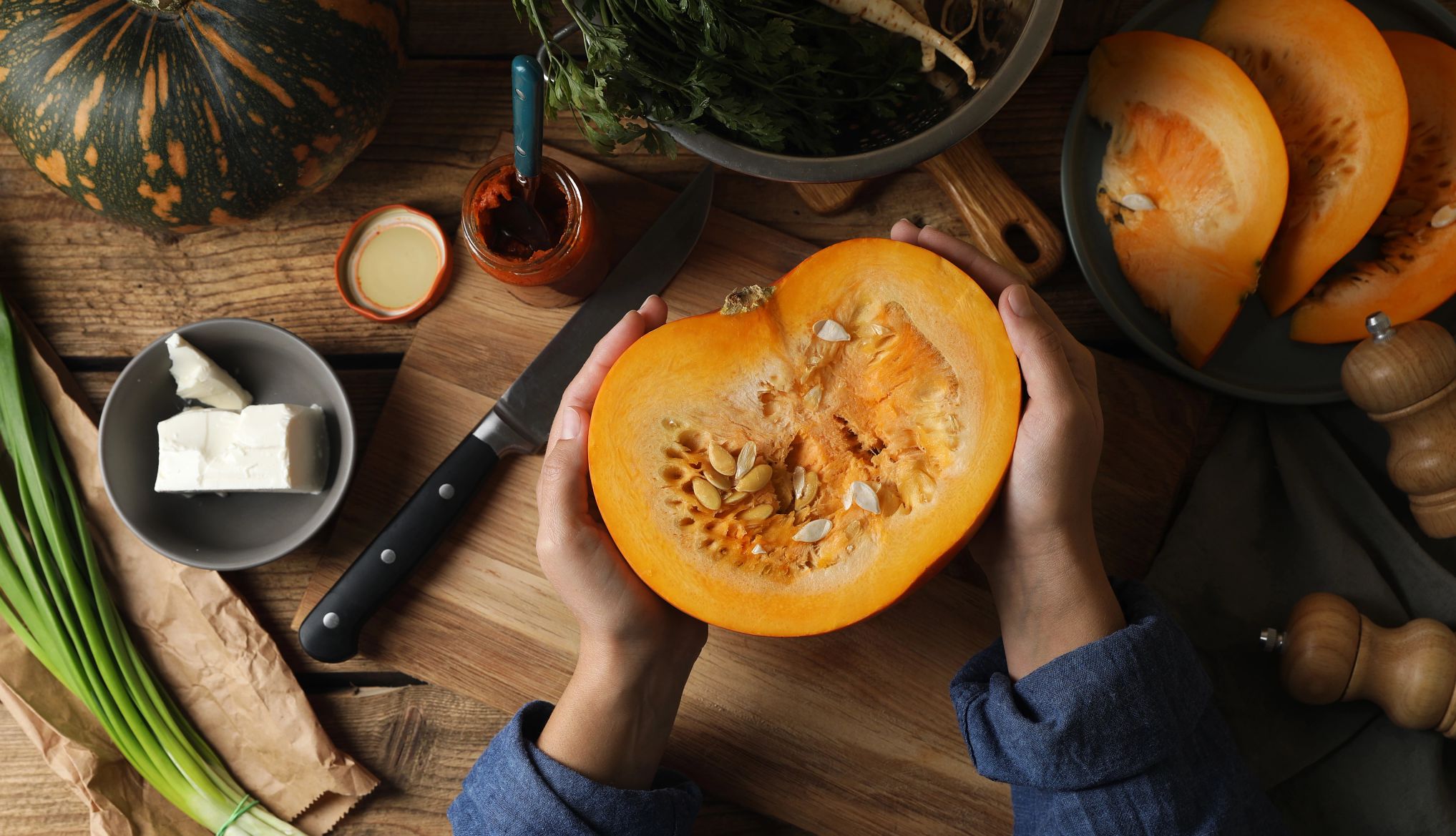
Pumpkin, also known as squash, is a highly nutritious vegetable that has been consumed for centuries in many parts of the world. Beyond its culinary use, pumpkin has long been valued in traditional medicine as a natural food that supports overall health, especially related to blood sugar balance, cholesterol levels, anemia, and cardiovascular wellness.
Thanks to its rich nutritional profile, pumpkin is often included in natural diets aimed at improving metabolic and heart health. While it is not a medical treatment, regular consumption of pumpkin as part of a balanced lifestyle may help support the body in multiple ways.
Why Pumpkin Is Highly Valued in Traditional Nutrition
Pumpkin contains a powerful combination of nutrients that make it beneficial for daily consumption, including:
- Dietary fiber
- Beta-carotene (precursor of vitamin A)
- Vitamins A, C, and E
- Minerals such as potassium, magnesium, and iron
- Natural antioxidants
These nutrients work together to support digestion, circulation, immune defense, and cellular protection.
Pumpkin and Blood Sugar Support
One of the most popular traditional uses of pumpkin is as a supportive food for maintaining healthy blood sugar levels.
Pumpkin is naturally low in calories and contains soluble fiber, which helps:
- Slow the absorption of sugars in the digestive system
- Reduce sudden spikes in blood glucose
- Promote longer-lasting satiety
Because of its relatively low glycemic impact when cooked without added sugar, pumpkin is often included in balanced meal plans focused on blood sugar management.
Pumpkin and High Cholesterol
High cholesterol is a common concern that can affect cardiovascular health over time. In traditional nutrition, pumpkin is considered a heart-friendly food due to its fiber and antioxidant content.
Regular pumpkin consumption may help:
- Support the removal of excess cholesterol through digestion
- Protect blood vessels from oxidative stress
- Promote healthy circulation
Potassium found in pumpkin also contributes to proper blood pressure balance, which is essential for heart health.
Pumpkin and Anemia Support
Pumpkin has traditionally been used as a nutrient-rich food to help strengthen the blood, especially in cases of mild nutritional anemia.
It contains plant-based iron along with vitamin C, which helps enhance iron absorption. When included as part of a varied diet, pumpkin may help:
- Support red blood cell production
- Reduce fatigue and weakness
- Improve overall energy levels
For best results, pumpkin is often combined with other iron-rich foods such as leafy greens or legumes.
Pumpkin and Heart Health
Heart health depends on a combination of proper nutrition, circulation, and reduced inflammation. Pumpkin provides several nutrients that contribute to cardiovascular support, including:
- Antioxidants that help protect arteries
- Fiber that supports healthy cholesterol levels
- Potassium that supports normal heart rhythm
Because of these properties, pumpkin is commonly considered a protective food for the heart in traditional dietary practices.
Traditional Pumpkin Remedy Preparation
Below is a simple and traditional way to prepare pumpkin for regular consumption as part of a healthy lifestyle.
Ingredients
- 1 cup of fresh pumpkin (squash), chopped
- 2 cups of water
- Optional: a small cinnamon stick
- Optional: a few drops of fresh lemon juice
Preparation Method
- Wash the pumpkin thoroughly and remove the skin.
- Cut it into small pieces.
- Bring the water to a boil in a pot.
- Add the pumpkin pieces and cook for 15–20 minutes until soft.
- Remove from heat.
- Consume as a light soup or blend into a smooth puree.
- Add cinnamon or lemon if desired for flavor.
How to Consume
- Drink or eat one cup in the morning on an empty stomach, 3–4 times per week
- Can also be included as part of lunch or dinner
- Maintain regular consumption over several weeks for best results
Pumpkin Seeds: An Important Complement
Pumpkin seeds are also widely valued in traditional nutrition. They are rich in healthy fats, zinc, and antioxidants.
Traditionally, pumpkin seeds are used to support:
- Heart and artery health
- Cholesterol balance
- Immune system function
They can be consumed lightly roasted, without salt, in small portions.
Tips to Maximize Benefits
To enhance the potential benefits of pumpkin:
- Avoid adding sugar or refined fats
- Combine with a balanced, whole-food diet
- Stay well hydrated
- Limit processed foods
- Engage in regular physical activity
Important Precautions
- This remedy is a natural dietary support, not a medical treatment
- People with diabetes should monitor portion sizes
- If you are taking medication, consult a healthcare professional
- Do not rely solely on natural remedies for medical conditions
Traditional Use and Cultural Value
In many cultures, pumpkin has been considered a healing and nourishing food, valued for its ability to cleanse, strengthen, and support the body naturally. While modern science continues to study its effects, its nutritional value is well established.
Conclusion
Pumpkin is a simple, affordable, and highly nutritious food that may help support healthy blood sugar levels, cholesterol balance, mild anemia, and heart health when consumed regularly as part of a balanced lifestyle. Its fiber, antioxidants, and essential nutrients make it a valuable addition to natural health-focused diets.
Used responsibly, pumpkin remains one of the most trusted traditional foods for overall wellness.