Best Foods Rich in Vitamin B2: Benefits, Sources, and Daily Intake

Vitamin B2, also known as riboflavin, is an essential nutrient that often goes unnoticed, yet it plays a vital role in maintaining overall health. If you frequently feel tired, notice dull skin, or experience brittle hair, your body may be lacking this important vitamin.
In this complete guide, you will learn everything you need to know about vitamin B2 foods, its functions in the body, recommended daily intake, and how to ensure you get enough riboflavin through a balanced diet. This article is written for educational purposes and follows SEO and Google AdSense quality standards.
What Is Vitamin B2 (Riboflavin)?
Vitamin B2 is part of the B-complex vitamin group, which supports energy production and cellular function. Riboflavin is essential for converting carbohydrates, fats, and proteins into usable energy.
It also helps activate other B vitamins, such as vitamin B6 and vitamin B12, making it a key player in overall nutrient absorption and metabolism.
Because the body does not store large amounts of vitamin B2, it is important to consume riboflavin-rich foods regularly.
Functions of Vitamin B2
Vitamin B2 supports several essential processes in the body, including:
- Contributing to cellular energy production
- Supporting healthy skin, hair, and nails
- Aiding in red blood cell formation
- Providing antioxidant protection against oxidative stress
- Supporting eye health and vision
- Helping with iron absorption
These functions make riboflavin crucial for maintaining daily energy levels and overall well-being.
Recommended Daily Intake of Vitamin B2
Daily vitamin B2 needs vary depending on age, gender, and life stage. General recommendations include:
- Adult women: 1.1 mg per day
- Adult men: 1.3 mg per day
- Pregnancy: 1.4 mg per day
- Breastfeeding: 1.6 mg per day
In most cases, a varied and balanced diet provides enough riboflavin. However, supplementation may be recommended under professional supervision for certain individuals.
Best Foods Rich in Vitamin B2
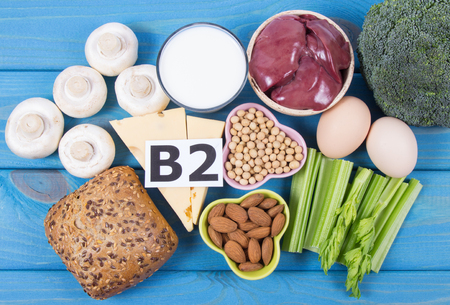
If you are wondering which foods contain vitamin B2, here are some of the best dietary sources:
- Beef liver
- Almonds
- Mushrooms
- Spinach
- Eggs
- Dairy products such as milk and cheese
- Fatty fish like salmon and mackerel
Many of these foods also contain other essential B vitamins, making them valuable additions to a healthy diet.
Plant-Based Sources of Vitamin B2
Vitamin B2 is not limited to animal-based foods. Plant-based options include:
- Whole grains and fortified cereals
- Legumes
- Broccoli
- Sesame seeds
- Nutritional yeast
A balanced diet that includes both plant and animal sources helps ensure adequate riboflavin intake.
Vitamin B2 Content in Foods (Per 100 g)
- Beef liver: 2.9 mg
- Almonds: 1.1 mg
- Mushrooms: 0.5 mg
- Aged cheese: 0.4 mg
- Eggs: 0.5 mg
- Spinach: 0.2 mg
Although beef liver contains the highest amount, vegetarians and vegans can meet their needs through nuts, fortified foods, and green vegetables.
How to Get Enough Vitamin B2 in Your Daily Diet
Spreading vitamin B2-rich foods throughout the day is the most effective approach. For example:
- Breakfast: Whole-grain toast with cheese and a handful of almonds
- Lunch: Spinach salad with boiled eggs and mushrooms
- Dinner: Grilled salmon with steamed broccoli
If a deficiency is diagnosed, consult a healthcare professional about appropriate supplementation.
Meal Planning Tips
Weekly meal planning helps prevent nutrient gaps. Try to include at least one vitamin B2 source in each main meal. Functional snacks such as yogurt with nuts or fortified cereal bars can also support daily intake.
Easy Recipes Rich in Vitamin B2
- Mushroom and spinach scramble
- Banana smoothie with milk and almonds
- Warm lentil salad with broccoli and egg
- Salmon tacos with Greek yogurt and sesame seeds
These recipes are simple, nutritious, and easy to include in a balanced diet.
Important Notes and Advice
Avoid excessive use of vitamin B2 supplements without professional guidance. Although riboflavin toxicity is rare, high doses may cause mild side effects such as bright yellow urine, which is harmless but noticeable.
Balance and moderation are key to optimal nutrition.
Vitamin B2 Deficiency
A deficiency in vitamin B2 may cause symptoms such as:
- Persistent fatigue
- Mouth sores or cracked lips
- Swollen tongue
- Dry or irritated skin
- Vision problems
These symptoms are more common in restrictive or unbalanced diets. Long-term deficiency may be linked to conditions such as angular cheilitis or neurological discomfort. If you suspect a deficiency, consult a qualified healthcare provider.
Final Thoughts
Vitamin B2 is an essential nutrient that supports energy production, skin health, and overall metabolic function. Including riboflavin-rich foods in your daily meals is a simple and effective way to support long-term health.
A balanced diet remains the best strategy for meeting your vitamin B2 needs naturally and safely.