
Vitamin K2 Benefits: Why It Is Essential for Bones and Heart Health

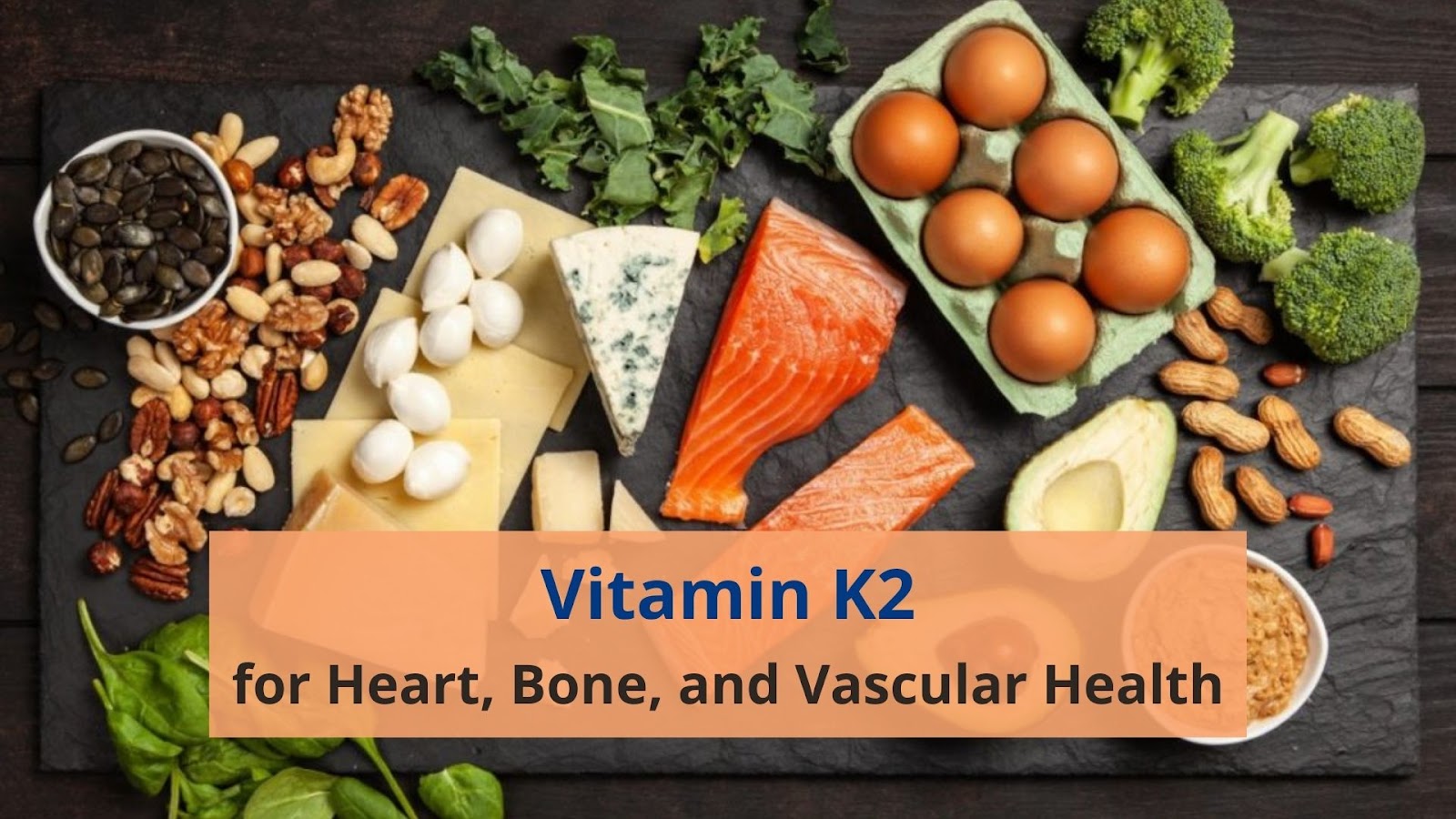
If you are interested in living a healthy lifestyle, you have probably heard about essential nutrients like calcium, vitamin D, and magnesium. However, there is another vitamin that often goes unnoticed despite its powerful impact on the body: vitamin K2.
Vitamin K2 is a lesser-known but highly important nutrient that supports bone health, cardiovascular health, and proper calcium metabolism. In recent years, it has gained attention among health-conscious individuals for its unique role in keeping calcium where it belongs—inside the bones and out of the arteries.
In this article, you will learn what vitamin K2 is, what it is used for, its main benefits, natural food sources, and who may benefit most from adequate intake. This content is written for educational purposes and follows SEO and Google AdSense quality guidelines.
What Is Vitamin K2?
Vitamin K is a fat-soluble vitamin that exists in two main forms:
- Vitamin K1 (phylloquinone)
- Vitamin K2 (menaquinone)
While both forms are important, they serve different functions in the body.
Vitamin K1 is primarily involved in blood clotting and is found mainly in green leafy vegetables. Vitamin K2, on the other hand, plays a key role in calcium regulation, which directly affects bone density and cardiovascular health.
K2 is produced by certain gut bacteria and is also found in fermented foods and animal-based products. Unfortunately, it is not very abundant in the modern Western diet, which makes awareness and proper intake especially important.
What Is Vitamin K2 Used For?
Vitamin K2 works in synergy with other nutrients, particularly vitamin D3 and calcium, to support essential processes in the body. Its main function is to activate specific proteins that manage where calcium is stored.
Below are the most important roles of vitamin K2.
1. Supports Bone Mineralization
Vitamin K2 activates a protein called osteocalcin, which helps bind calcium to the bone matrix. Without sufficient vitamin K2, calcium cannot be properly integrated into bones, potentially reducing bone strength over time.
This function makes vitamin K2 especially important for maintaining healthy bones as we age.
2. Helps Prevent Arterial Calcification
Another critical role of vitamin K2 is activating matrix Gla protein (MGP). This protein helps prevent calcium from accumulating in the walls of arteries.
By supporting this process, vitamin K2 contributes to flexible, clean blood vessels, promoting healthy circulation and overall heart health.
3. Works Together With Vitamin D
Vitamin D helps the body absorb calcium from the digestive system, but it does not control where that calcium goes. Vitamin K2 ensures that absorbed calcium is directed to bones and teeth instead of soft tissues like arteries.
This teamwork between vitamin D and vitamin K2 is essential for balanced calcium use.
Key Benefits of Vitamin K2
Thanks to its unique functions, vitamin K2 offers several long-term health benefits when consumed as part of a balanced diet.
Stronger and Healthier Bones
Vitamin K2 supports bone density and strength, helping reduce the risk of bone loss over time. This is particularly important for women after menopause, when bone density naturally decreases.
Better Cardiovascular Health
By helping prevent calcium buildup in arteries, vitamin K2 supports healthy blood vessels and may contribute to a lower risk of cardiovascular issues associated with arterial stiffness.
Improved Dental Health
Osteocalcin also plays a role in dental health. Proper calcium utilization supports strong teeth and helps maintain overall oral structure.
Supports Healthy Aging
Maintaining strong bones and healthy arteries contributes to better mobility, balance, and overall well-being as we age. Vitamin K2 supports these foundations for long-term health.
Who May Need More Vitamin K2?
Although vitamin K2 is important for everyone, certain groups may benefit from higher intake through diet or supplementation (under professional guidance).
These groups include:
- Adults over the age of 50
- Postmenopausal women
- People taking calcium or vitamin D supplements
- Individuals with low bone density
- People with cardiovascular risk factors
- Those with digestive conditions that affect fat absorption
Because vitamin K2 is less common in everyday foods, supplementation has become increasingly popular in some cases.
Natural Food Sources of Vitamin K2
Vitamin K2 is found primarily in fermented and animal-based foods. Some of the richest sources include:
- Natto (fermented soybeans, especially high in K2)
- Aged cheeses such as gouda and edam
- Chicken or beef liver
- Egg yolks
- Butter and full-fat dairy products
- Meat from grass-fed animals
Including these foods in your diet can help support adequate vitamin K2 intake naturally.
Is Vitamin K2 Safe?
When consumed through food or appropriate supplementation, vitamin K2 is generally considered safe for most people. However, individuals taking blood-thinning medications should consult a healthcare professional before increasing vitamin K intake.
This article is for informational purposes only and does not replace medical advice, diagnosis, or treatment, in line with Google AdSense content policies.
Final Thoughts
Although it does not receive as much attention as other vitamins, vitamin K2 is a nutritional powerhouse that plays a vital role in bone strength, heart health, and proper calcium balance.
By supporting strong bones and flexible arteries, vitamin K2 helps lay the foundation for a healthier and more active life. Paying attention to this essential nutrient is a smart investment in long-term wellness.