
Plantar Fasciitis Home Remedies: Natural Ways to Relieve Heel Pain Fast

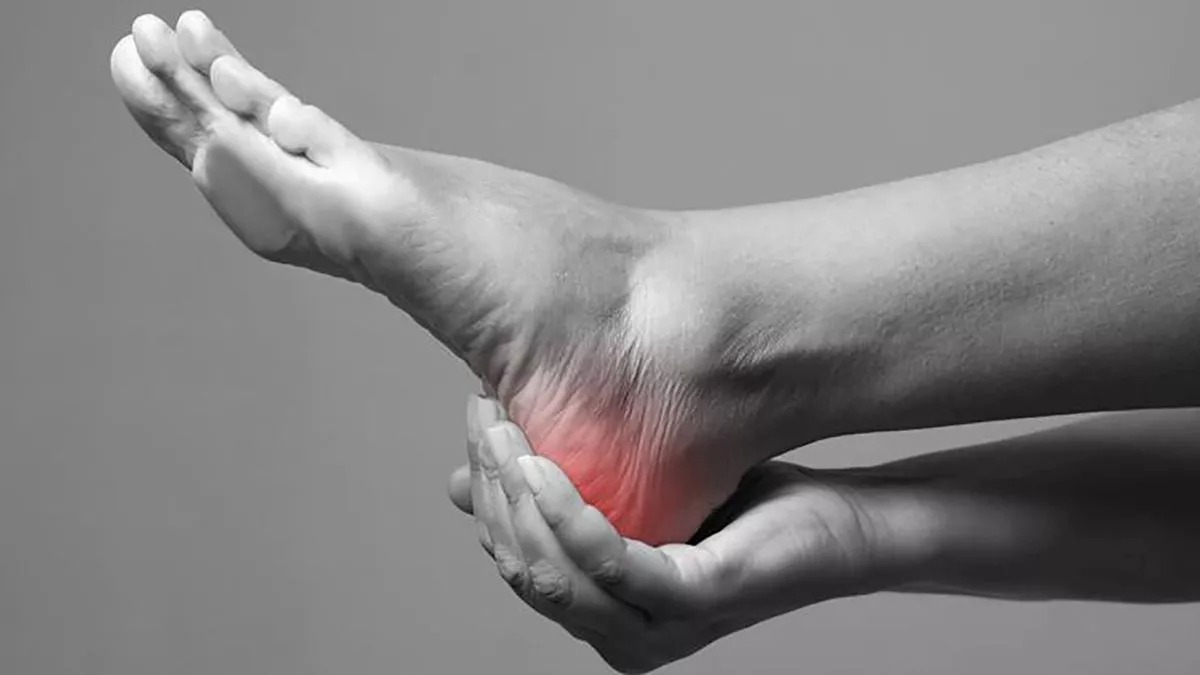
Heel pain is one of the most common foot complaints, especially among runners, athletes, and people who spend long hours standing. In many cases, this discomfort is caused by plantar fasciitis, an inflammatory condition affecting the thick band of tissue that runs from the heel to the base of the toes.
Understanding the symptoms, causes, and natural treatment options can help reduce pain and improve mobility without immediately resorting to invasive procedures. This guide explains what plantar fasciitis is, how it is diagnosed, and the most effective home remedies to relieve discomfort naturally, while also covering medical treatments and prevention strategies.
What Is Plantar Fasciitis?
Plantar fasciitis occurs when the plantar fascia, a strong connective tissue that supports the arch of the foot and absorbs impact during walking or running, becomes inflamed due to excessive strain or repetitive stress.
This condition is particularly common in:
- Runners and athletes
- People who stand for long periods
- Individuals with excess body weight
- Those who wear inadequate footwear
In some cases, plantar fasciitis may be associated with a heel spur, a small bony growth at the heel that can increase irritation.
Common Symptoms of Plantar Fasciitis
Typical symptoms include:
- Persistent pain in the heel or sole of the foot
- Sharp discomfort during the first steps in the morning
- Pain that improves with rest but returns after activity
- Mild swelling or redness around the heel
Because symptoms can resemble other foot conditions, proper evaluation is important.
How Plantar Fasciitis Is Diagnosed
Diagnosis usually involves:
- Medical history review to identify risk factors
- Physical examination of the plantar fascia and foot arch
- Imaging tests such as X-rays to detect heel spurs or related injuries
Accurate diagnosis ensures the most appropriate treatment plan.
Best Home Remedies for Plantar Fasciitis
Natural care strategies can significantly reduce inflammation and pain when applied consistently.
1. Ice Therapy
Applying cold therapy helps decrease inflammation and numb pain.
How to use:
- Wrap ice in a cloth (never apply directly to skin).
- Place on the painful area for 15 minutes, 2–6 times daily, depending on pain intensity.
2. Morning Foot Massage and Rolling
Gentle massage improves circulation and relaxes tight tissue.
Methods:
- Use your thumb to massage the sole of the foot after waking.
- Roll the foot over a cylindrical object such as a cold soda can or massage roller.
This is especially helpful before taking the first steps of the day.
3. Rest and Activity Modification
Reducing repetitive strain allows the plantar fascia to heal.
- Avoid prolonged standing or intense impact activities.
- Choose low-impact exercises such as swimming or cycling during recovery.
4. Functional Taping at Home
Supportive taping can reduce tension on the plantar fascia.
Basic method:
- Place a strip of fabric tape across the front of the sole.
- Add diagonal strips from the forefoot toward the heel on both sides.
- Secure the ends with another strip.
At night, a splint may help maintain proper foot position while sleeping.
5. Proper Footwear and Insoles
Shoes play a crucial role in recovery.
Choose footwear that:
- Supports the entire foot arch
- Has adequate cushioning and shock absorption
- Fits correctly without excessive pressure
Custom or orthopedic insoles may further reduce heel stress.
Medical Treatment Options
If home care is insufficient, doctors may recommend:
- Anti-inflammatory medications
- Corticosteroid injections for severe inflammation
- Physical therapy or osteopathic treatment
- Surgery in rare, severe cases (calf recession or plantar fascia release)
Most people improve with conservative treatment.
Prevention Tips for Plantar Fasciitis
Preventive habits are essential to avoid recurrence.
Maintain a Healthy Weight
Excess body weight increases pressure on the feet.
Limit Time Standing Barefoot or on Hard Surfaces
Supportive footwear reduces strain.
Balance Exercise and Recovery
Combine strengthening, stretching, and relaxation routines, and avoid constant training on hard ground.
Early care greatly reduces the risk of chronic pain.
Conclusion
Plantar fasciitis can be painful and limiting, but natural home remedies, proper footwear, rest, and preventive care often provide significant relief. Early treatment is key to avoiding long-term complications or surgery.
When symptoms persist, professional medical evaluation ensures safe and effective recovery. Combining home care with expert guidance offers the best path toward pain-free movement and long-term foot health.