5 Foods That Help Lower Cholesterol or Prevent Its Increase

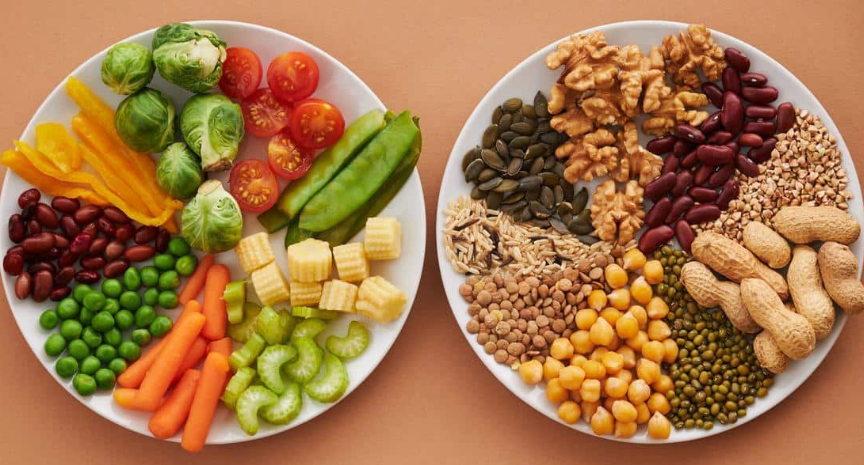
Below are five foods that are known to reduce cholesterol levels or help prevent them from rising when included regularly in a balanced diet.
1. Fish
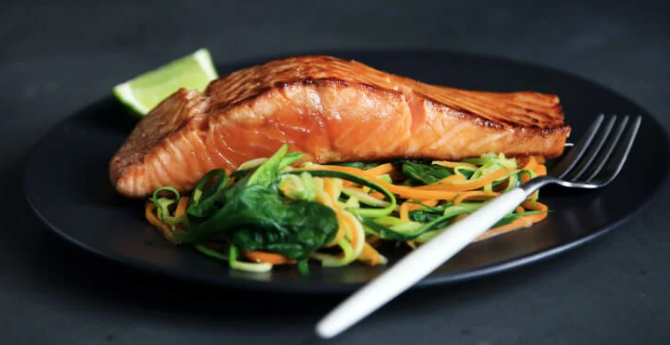
Fish is an excellent source of high-quality protein, vitamins, minerals, and healthy fats, especially omega-3 fatty acids. Regular fish consumption has been strongly associated with improved cholesterol levels and overall heart health.
Omega-3 fatty acids have powerful anti-inflammatory properties that help protect blood vessels and reduce the risk of cardiovascular disease. Several studies show that omega-3s can significantly lower LDL cholesterol (often referred to as “bad cholesterol”), although the effect may vary depending on the type of fish consumed.
According to recommendations from the World Health Organization (WHO), adults should consume at least two servings of fish per week. One serving should be oily, cold-water fish such as salmon, sardines, or mackerel, while the other can be white fish.
For maximum health benefits, fish should be prepared grilled, baked, or steamed, rather than fried, as frying adds unhealthy fats that can counteract its cholesterol-lowering effects.
2. Nuts
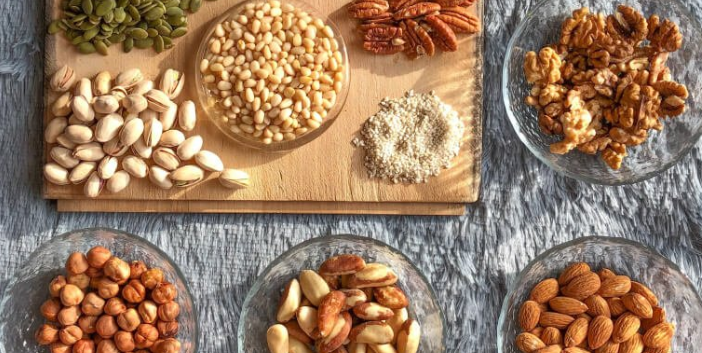
Nuts are among the best foods for lowering cholesterol naturally. They are rich in monounsaturated fatty acids, which help reduce LDL cholesterol while increasing HDL cholesterol, commonly known as “good cholesterol.”
In addition to healthy fats, nuts contain fiber and antioxidants that help regulate triglyceride levels, another important component of blood lipids. A study published in the journal Heart in 2019 found that regular nut consumption helps control blood sugar levels and appetite, making nuts beneficial for people aiming to lose weight in a healthy way.
However, nuts are calorie-dense due to their fat content. For this reason, they should be eaten in moderation. The recommended portion is about 25 grams per day, roughly a small handful.
It is also important to choose unsalted nuts, as excessive sodium intake can negatively affect blood pressure and heart health.
3. Legumes
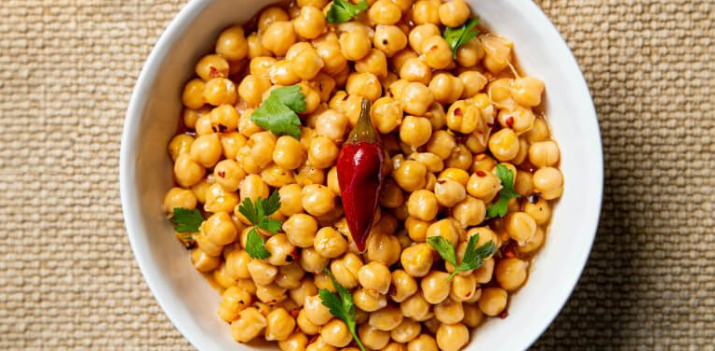
Legumes have become a key component of healthy diets worldwide due to their high nutritional value and low calorie content. Foods such as lentils, chickpeas, beans, and peas are rich in fiber, plant-based protein, vitamins, and minerals, making them ideal for cholesterol management.
Numerous studies suggest that legume-based diets can significantly reduce total cholesterol, LDL cholesterol, and even uric acid levels. Legumes are naturally low in fat and contain large amounts of soluble fiber, which helps bind cholesterol in the digestive system and remove it from the body.
Another important benefit comes from phytosterols, plant compounds similar to cholesterol that help block its absorption in the bloodstream. Phytosterols found in legumes have been shown to lower LDL cholesterol over time and reduce abdominal fat, which is linked to an increased risk of heart disease.
For these reasons, legumes are an excellent food choice for improving cardiovascular health and lowering cholesterol naturally.
4. Green Vegetables
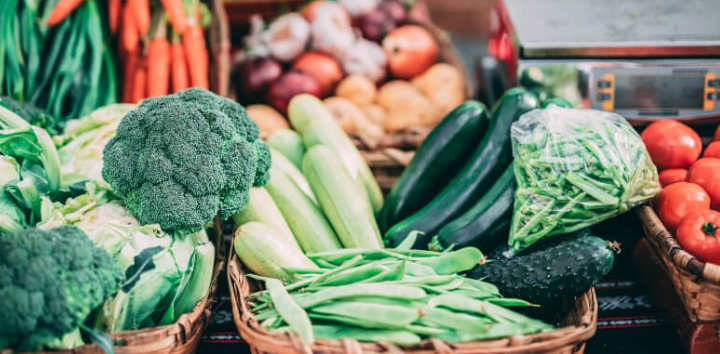
Green vegetables are packed with essential vitamins, minerals, fiber, and antioxidants that support overall health. Vegetables such as lettuce, cabbage, Swiss chard, spinach, asparagus, and broccoli play an important role in cholesterol control.
These vegetables are rich in beta-carotene, calcium, vitamin C, and other antioxidants that help protect cells from oxidative damage. They also have natural cleansing and diuretic properties that support detoxification processes in the body.
Green vegetables contain several key substances that help regulate cholesterol levels:
- Antioxidants: Protect cells from free radicals that can damage DNA and contribute to chronic disease.
- Phytonutrients: Found in many green vegetables, these compounds reduce cholesterol levels and have anti-inflammatory and antimicrobial effects.
- Healthy lipids: When combined with foods like olive oil, green vegetables help support cardiovascular function.
Regular consumption of green vegetables is essential for maintaining healthy cholesterol levels and supporting heart health.
5. Fruits
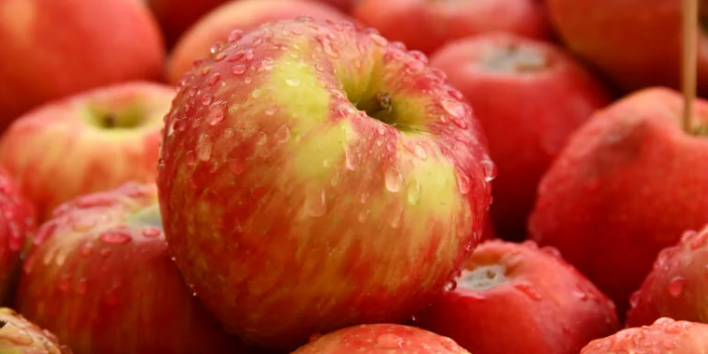
Fruits are rich in vitamins, minerals, fiber, and antioxidants, making them powerful allies in cholesterol reduction. When combined with regular physical activity, a fruit-rich diet can significantly lower cholesterol and help keep it within safe limits.
Fruits can be eaten on their own, added to salads, blended into smoothies, or enjoyed as healthy desserts. Some of the best fruits for lowering cholesterol include:
- Oranges: High in pectin and dietary fiber, which help dissolve cholesterol and eliminate it from the body. They also contain vitamin C, which supports glucose absorption.
- Apples: Rich in flavonoids and soluble fiber. Eating one apple a day can provide up to 12 grams of fiber, helping to reduce cholesterol levels naturally.
- Strawberries: Packed with antioxidants, fiber, and vitamin C. Regular consumption can lower LDL cholesterol and triglycerides.
- Cherries: Contain pectin fiber, vitamins A, C, and E, and powerful antioxidants that reduce oxidative stress and cholesterol levels.
However, fruits high in fructose, such as bananas, mangoes, figs, persimmons, and custard apples, should be consumed in moderation, as excessive fructose intake may negatively impact cholesterol levels.
5 Foods That Increase Cholesterol
While some foods help lower cholesterol, others can raise it significantly if consumed frequently or in large amounts.
1. Eggs

Eggs are highly nutritious, but they also contain dietary cholesterol, mainly in the yolk. A study conducted by researchers at Harvard University found that consuming two or more eggs per day increased blood cholesterol levels by approximately 11%.
The way eggs are consumed also matters. Eating eggs alongside foods high in saturated fat, such as bacon or sausages, can further increase cholesterol levels. Moderation is key, and eggs should be balanced with foods rich in healthy fats and fiber.
2. Saturated Fats
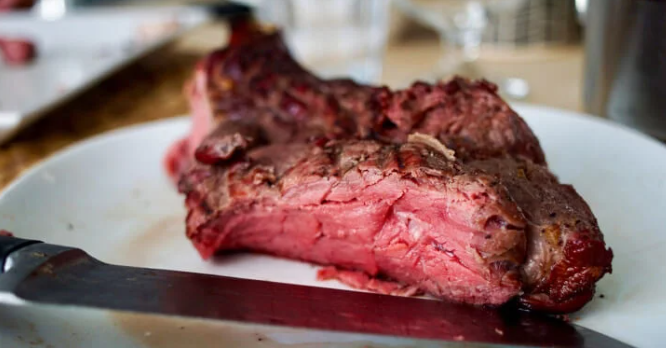
Foods high in saturated fats are a major contributor to elevated LDL cholesterol. Fatty cuts of beef, pork, lamb, and processed meats can significantly increase cholesterol levels when consumed excessively.
Although some saturated fat is necessary for a balanced diet, too much can increase the risk of cardiovascular disease and diabetes. Choosing lean cuts of meat and limiting portion sizes is essential for cholesterol control.
3. Full-Fat Dairy Products
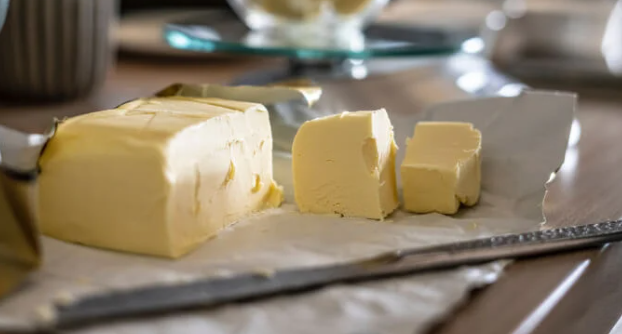
Dairy products provide important nutrients, but full-fat options such as butter, cream, and whole milk can raise cholesterol levels in people with cardiovascular risk factors.
This does not mean dairy must be avoided entirely. Low-fat or skimmed milk, low-fat yogurt, and reduced-fat cheeses are healthier alternatives that still provide nutritional benefits without significantly increasing cholesterol.
4. Industrial Baked Goods

Industrial baked goods, including cookies, cakes, pastries, and sweets, are among the worst foods for cholesterol. They are high in saturated fats, sugars, calories, and trans fats derived from hydrogenated vegetable oils.
Trans fats are directly linked to increased LDL cholesterol and a higher risk of heart disease. Limiting these products and choosing healthier snacks rich in fiber and unsaturated fats is strongly recommended.
5. Sugary Soft Drinks

Sugary soft drinks contain large amounts of simple sugars such as sucrose and fructose. These sugars are rapidly absorbed into the bloodstream, causing spikes in blood sugar levels.
This metabolic response can lead to increased cholesterol levels, weight gain, and obesity. Replacing sugary drinks with water, herbal teas, or natural juices in moderation can significantly improve cholesterol management.
Final Thoughts
Certain foods have a positive or negative impact on blood cholesterol levels. Knowing which foods help lower cholesterol and which ones raise it is essential for maintaining long-term cardiovascular health.
A balanced and varied diet rich in fiber, omega-3 fatty acids, vitamins, and minerals, combined with regular physical activity, can help keep cholesterol levels under control naturally.
If you need personalized guidance or have concerns about your cholesterol levels, it is highly recommended to consult an endocrinologist or healthcare professional for proper evaluation and advice.