Ginseng: The Medicinal Herb and Its Natural Regenerative Power

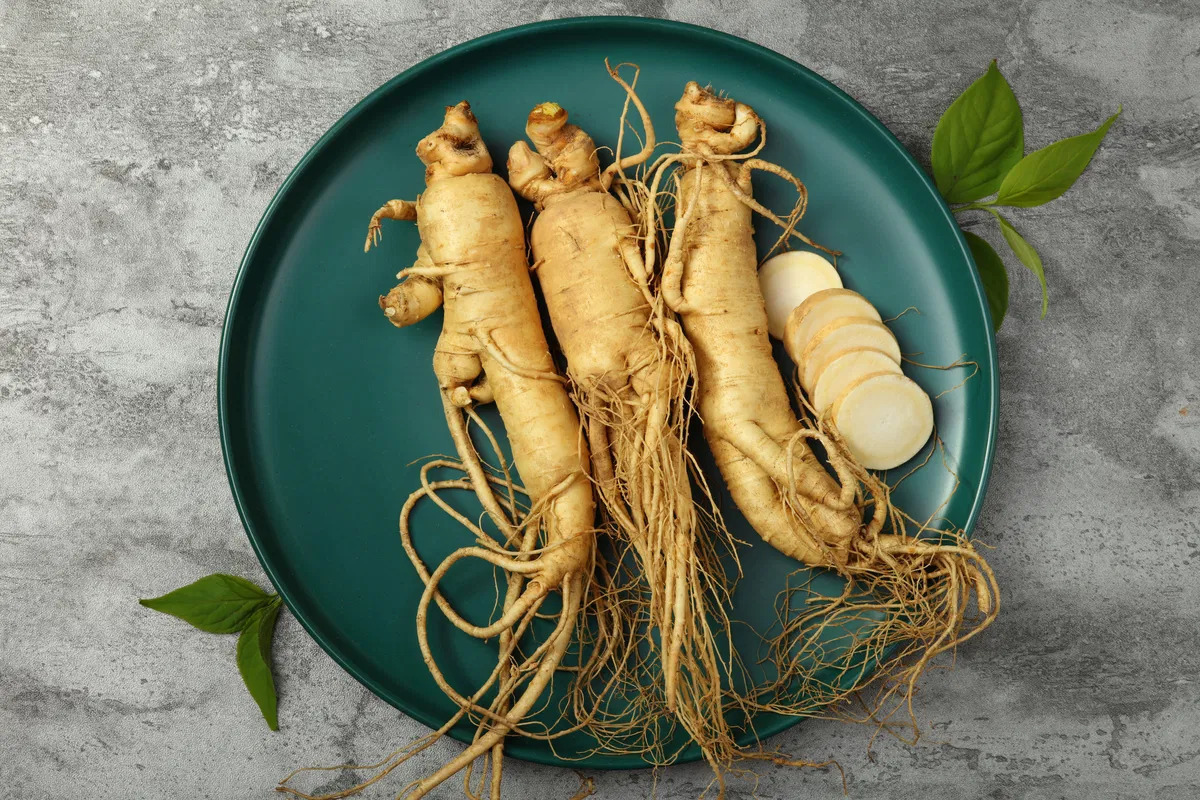
For centuries, ginseng has been recognized as one of the most valued medicinal herbs in traditional medicine. Known for its remarkable ability to restore energy, strengthen the immune system, and support the body’s natural regeneration processes, this powerful root has earned a respected place in both Eastern healing traditions and modern wellness practices.
Today, scientific research continues to explore the many compounds found in ginseng, confirming what ancient cultures already believed: that this plant holds significant potential for improving vitality, resilience, and overall health. Understanding how ginseng works and how it can be used safely allows individuals to benefit from its regenerative properties in a natural and balanced way.
What Is Ginseng?
Ginseng refers to several species of plants in the Panax genus, most commonly:
- Panax ginseng (Asian or Korean ginseng)
- Panax quinquefolius (American ginseng)
The root of the plant is the most valuable part and contains active compounds called ginsenosides, which are believed to be responsible for many of its health-supporting effects.
Traditionally, ginseng has been used to:
- Increase physical and mental energy
- Enhance resistance to stress
- Support immune defense
- Promote longevity and vitality
These traditional uses are now being studied through modern scientific methods, bringing new understanding to this ancient herb.
Natural Regenerative Properties of Ginseng
One of the most fascinating aspects of ginseng is its potential role in cellular protection and regeneration. While no natural herb should be considered a cure for serious diseases, research suggests that ginseng may support the body in several regenerative ways.
1. Antioxidant Protection
Ginseng is rich in antioxidants that help neutralize free radicals, unstable molecules that contribute to aging and cellular damage. By reducing oxidative stress, ginseng may help protect tissues and support long-term health.
2. Immune System Support
Studies indicate that ginseng may enhance immune activity by stimulating certain immune cells. This can help the body respond more effectively to infections and environmental stressors.
3. Energy and Vitality Enhancement
Unlike stimulants that cause sudden spikes and crashes, ginseng is considered an adaptogen. Adaptogens help the body maintain balance, improving energy levels gradually while reducing fatigue and exhaustion.
4. Cognitive Function and Memory
Some clinical research suggests that ginseng may support mental clarity, concentration, and memory performance. This makes it popular among individuals seeking natural support for brain health and productivity.
Potential Health Benefits of Ginseng
Although results vary depending on dosage, preparation, and individual health, ginseng has been associated with several possible wellness benefits:
- Improved physical endurance and reduced tiredness
- Better stress management and emotional balance
- Support for healthy blood sugar regulation
- Enhanced circulation and cardiovascular support
- Promotion of healthy aging processes
It is important to emphasize that these benefits are supportive, not curative. Ginseng should be viewed as part of a balanced lifestyle that includes nutritious food, regular movement, and proper medical care.
Traditional and Modern Uses
Traditional Herbal Medicine
In traditional Chinese and Korean medicine, ginseng has been used for thousands of years as a tonic for longevity and strength. It was often reserved for emperors and warriors due to its perceived power to restore life energy, known as Qi.
Modern Supplements
Today, ginseng is widely available in:
- Capsules
- Powders
- Herbal teas
- Liquid extracts
Standardized extracts help ensure consistent levels of ginsenosides, which may improve reliability compared to raw root preparations.
How to Use Ginseng Safely
While ginseng is generally considered safe for many adults, responsible use is essential.
Recommended Guidelines
- Follow dosage instructions on reputable products
- Avoid excessive or long-term high doses
- Consult a healthcare professional if pregnant, nursing, or taking medication
Possible Side Effects
Some individuals may experience:
- Insomnia
- Headaches
- Digestive discomfort
- Changes in blood pressure
These effects are usually mild and temporary but should not be ignored.
Who May Benefit the Most?
Ginseng is commonly used by people who:
- Feel persistent fatigue or low energy
- Experience high levels of stress
- Want natural immune support
- Seek healthy aging and vitality
However, individuals with chronic medical conditions should always seek professional medical guidance before starting herbal supplements.
Scientific Perspective and Ongoing Research
Modern science continues to investigate ginseng’s bioactive compounds and their influence on inflammation, metabolism, and cellular protection. While early findings are promising, more long-term clinical trials are needed to fully understand its therapeutic potential.
This balanced perspective is important. Responsible health information should combine traditional knowledge, scientific evidence, and medical guidance, rather than relying on exaggerated claims.
Conclusion
Ginseng stands as one of the most respected medicinal herbs in human history. Its natural regenerative potential, ability to support energy and immunity, and long tradition of safe use make it a valuable addition to modern wellness routines.
Although it is not a miracle cure, when used responsibly and combined with healthy lifestyle habits, ginseng may help promote resilience, vitality, and overall well-being in a natural and sustainable way.
Exploring the benefits of this ancient root reminds us that nature still holds powerful tools for supporting human health—tools that should be used with knowledge, balance, and respect.