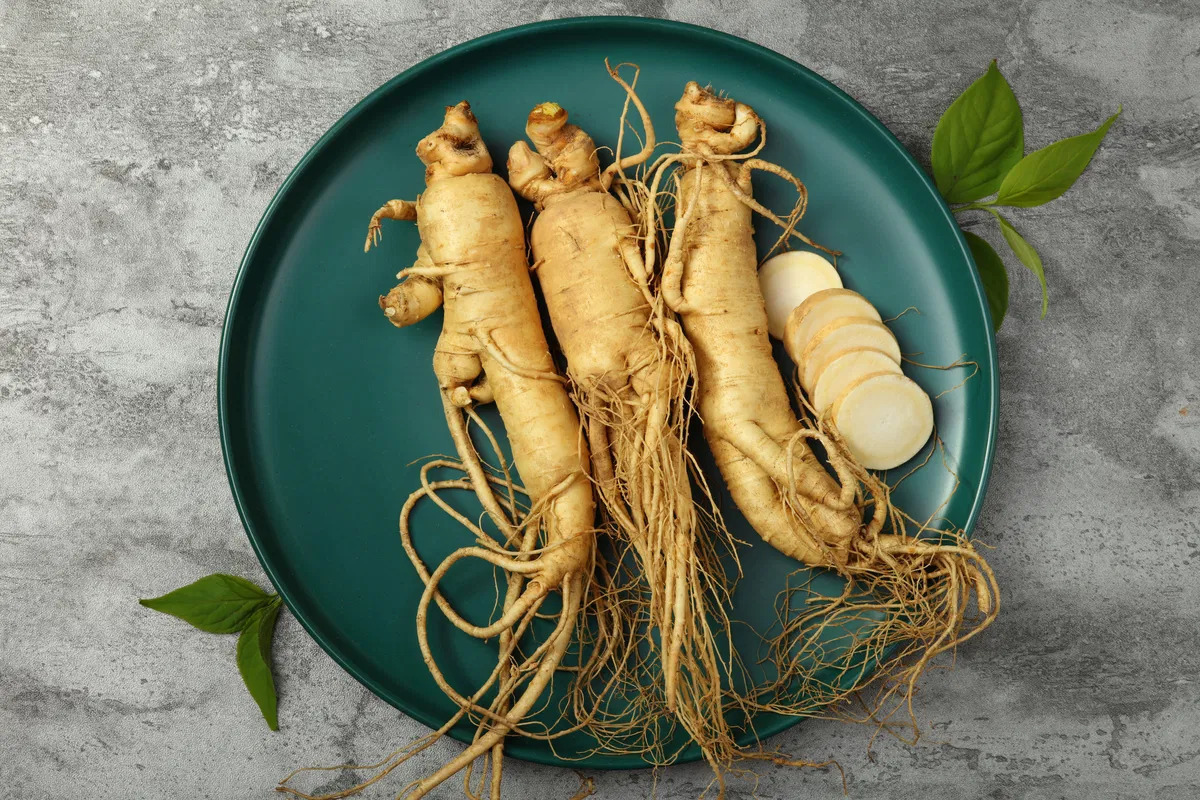
How to Clean Your Lungs Naturally and Keep Them Healthy

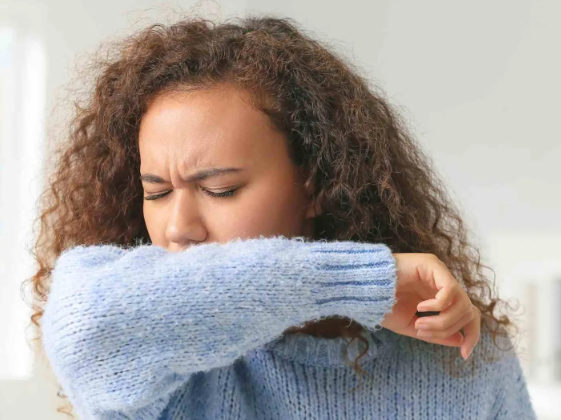
We breathe approximately 23,000 times a day. With every breath, the lungs work to filter impurities from the air and deliver oxygen to the bloodstream and every cell in the body. Over time, however, lung capacity naturally declines with age, which can affect breathing efficiency and gas exchange.
Maintaining healthy lungs is essential for everyone—especially for people living with respiratory conditions such as COPD, asthma, or chronic bronchitis. If you have smoked in the past or have been exposed to secondhand smoke or air pollution, you may wonder whether it is possible to “clean” your lungs naturally.
The good news is that while there is no instant detox, healthy habits and natural strategies can support lung function, reduce inflammation, and improve breathing over time.
Why Lung Health Matters
Every day, the lungs filter large volumes of air. When that air contains smoke, dust, or chemicals, the lungs must work harder to protect the body. Long-term exposure to harmful substances can inflame and damage the airways, leading to symptoms such as coughing, mucus buildup, and shortness of breath.
Fortunately, the lungs are self-cleaning organs. Once exposure to pollutants stops, they gradually begin to repair themselves. Supporting this natural process through lifestyle changes can help protect lung health in the long term.
Can You Really Clean Your Lungs Naturally?
While there is no magical solution to completely detoxify the lungs overnight, adopting healthy habits can help:
- Remove excess mucus
- Reduce airway inflammation
- Improve oxygen exchange
- Prevent long-term respiratory damage
Below are natural, evidence-based ways to support lung health.
1. Quit Smoking: The Most Important Step
If you smoke, quitting is the single most effective way to protect and restore lung health. Once you stop smoking, the body immediately begins to heal:
- After 2 weeks, lung function and circulation begin to improve
- Within 1–9 months, coughing and shortness of breath decrease
- After 10 years, the risk of lung cancer is reduced by up to 50%
Avoiding secondhand smoke is equally important to prevent further lung damage.
2. Practice Deep Breathing Exercises
Deep breathing strengthens the lungs and improves oxygen exchange. It also helps release trapped air and toxins.
Simple breathing exercise:
- Sit upright and relax your shoulders
- Inhale slowly through your nose for 4 seconds
- Hold your breath for 2 seconds
- Exhale slowly through your mouth for 6 seconds
- Repeat for 5–10 minutes daily
This technique can help improve lung capacity and reduce breathlessness.
3. Controlled Coughing to Clear Mucus
Coughing is a natural way for the body to remove mucus and irritants from the lungs. Controlled coughing can be especially helpful for people with COPD.
How to do it:
- Sit comfortably with feet flat on the floor
- Inhale deeply through the nose
- Lean slightly forward while exhaling
- Cough 2–3 times with your mouth slightly open
This helps mobilize and expel mucus more effectively.
4. Stay Active: Exercise Improves Lung Function
Physical activity strengthens both the heart and lungs, allowing oxygen to circulate more efficiently throughout the body.
Activities such as:
- Walking
- Swimming
- Cycling
can significantly improve breathing capacity and reduce shortness of breath. For individuals with chronic lung disease, a doctor may recommend pulmonary rehabilitation programs.
5. Reduce Mucus with Steam and Postural Drainage
Helping the lungs clear mucus can improve breathing.
Effective techniques include:
- Steam inhalation: Breathing warm steam can open airways and loosen mucus
- Postural drainage: Positioning the body to help mucus drain toward the throat for easier expulsion
These methods can be done at home and may provide temporary relief.
6. Improve the Air You Breathe
Poor air quality can worsen respiratory symptoms. To protect your lungs:
- Avoid secondhand smoke
- Ventilate indoor spaces regularly
- Use HEPA-filter vacuums or air purifiers
- Avoid opening windows during heavy traffic hours
- Wear protective masks when exposed to dust or chemicals
Improving indoor air quality can significantly benefit lung health.
7. Support Lung Health with a Balanced Diet
Although no diet can cure lung disease, certain foods may support respiratory health:
- Anti-inflammatory fruits and vegetables: turmeric, berries, citrus fruits, leafy greens
- Omega-3 fatty acids: fatty fish, flaxseeds, chia seeds
- Proper hydration: drinking water helps thin mucus, making it easier to breathe
Avoid ultra-processed foods and sugary drinks, which may promote inflammation.
8. Herbal Teas and Natural Infusions
Warm beverages may help loosen mucus and soothe airways.
Commonly used herbs include:
- Thyme and oregano: natural expectorants
- Ginger: anti-inflammatory properties
- Eucalyptus: helps clear nasal and bronchial passages
- Green tea: rich in antioxidants that support lung health
Always consult a healthcare provider before using herbal supplements, especially if you take medication or have chronic conditions.
9. Keep Up with Medical Checkups
Natural strategies support lung health but do not replace medical care. If you have asthma, COPD, or other respiratory conditions:
- Follow prescribed treatments and medications
- Attend regular lung function tests
- Report any changes in symptoms to your doctor
Your healthcare provider may recommend breathing therapy, physiotherapy, or treatment adjustments as needed.
Final Thoughts
Cleaning your lungs naturally does not mean resetting them overnight. However, consistent healthy habits—such as quitting smoking, exercising, breathing properly, and improving air quality—can make a meaningful difference.
Lung health is built daily through small choices that protect and support your respiratory system for the long term.