Prostate Health: Best Foods and Diet Tips

Prostate Health and the Importance of Proper Nutrition
As men age, the risk of prostate enlargement increases significantly. By the age of 50, nearly half of men show signs of benign prostatic hyperplasia (BPH), a non-cancerous enlargement of the prostate gland. This condition can lead to uncomfortable urinary symptoms such as increased frequency, urgency, weak urine flow, and nighttime urination.
While genetics and aging play an important role, diet and lifestyle choices have a powerful impact on prostate health. Adopting healthy eating habits and an active lifestyle can help manage BPH symptoms, reduce inflammation, and lower the risk of other prostate-related conditions, including infections and prostate cancer.
Healthy Lifestyle Habits for Prostate Care
Maintaining a healthy prostate goes beyond food alone. Your daily habits are just as important.
1. Follow a Healthy Diet
One of the most effective dietary patterns for prostate health is the Mediterranean diet, which emphasizes vegetables, fruits, whole grains, healthy fats, and lean proteins.
2. Avoid a Sedentary Lifestyle
Regular physical activity improves blood circulation, helps control weight, and reduces inflammation—key factors in maintaining prostate health.
3. Maintain a Healthy Weight
Overweight and obesity are strongly associated with worsened prostate symptoms. Keeping a healthy body weight helps regulate hormones and reduces pressure on the bladder.
4. Manage Stress Levels
Chronic stress can negatively affect hormone balance and immune function. Exercise, breathing techniques, and proper rest can help control stress naturally.
5. Quit Smoking
Smoking damages blood vessels, weakens the immune system, and contributes to chronic inflammation, all of which negatively affect prostate health.
6. Limit Caffeine and Alcohol
Both caffeine and alcohol can irritate the bladder and increase urinary urgency, especially in men with an enlarged prostate.
7. Control Cholesterol and Blood Pressure
High cholesterol and hypertension impair blood flow and worsen prostate health. Regular check-ups and a balanced diet are essential.
8. Stay Hydrated
Drinking 2 to 3 liters of water per day helps flush bacteria from the urinary tract and reduces the risk of infections. Prefer water and non-alcoholic beverages.
Foods That Support Prostate Health
No single food can cure or prevent prostate disease on its own. Overall dietary patterns and variety are what truly matter. A balanced diet rich in plant-based foods and healthy fats provides the best protection.
Foods to Include Daily
Vegetables
Especially:
- Tomatoes
- Broccoli
- Pumpkin
- Leeks
- Cauliflower
- Red cabbage
- Garlic
- Onion
- Turnips
These vegetables contain antioxidants and sulfur compounds that help reduce inflammation and support immune health.
Fruits
Particularly:
- Pomegranate
- Strawberries
- Peaches
- Grapes
- Melon
- Oranges
They are rich in vitamins, flavonoids, and antioxidants that protect prostate cells.
Whole Grains
Such as:
- Brown rice
- Whole wheat bread
- Whole grain pasta
Whole grains help regulate blood sugar and reduce inflammation.
Vitamin E–Rich Foods
- Leafy green vegetables
- Olive oil
- Nuts (peanuts, cashews, walnuts)
- Wheat germ
Vitamin E supports cellular health and antioxidant defense.
Anti-Inflammatory Spices
Season meals with:
- Turmeric and black pepper
- Garlic
- Basil
- Ginger
- Cinnamon
- Rosemary
- Oregano
- Cloves
- Cumin
These spices have anti-inflammatory and potential anti-cancer properties.
Healthy Fats
Your main source of fat should be extra virgin olive oil, which protects against oxidative stress.
Foods to Eat Several Times per Week
- Legumes, including lentils, chickpeas, and soybeans
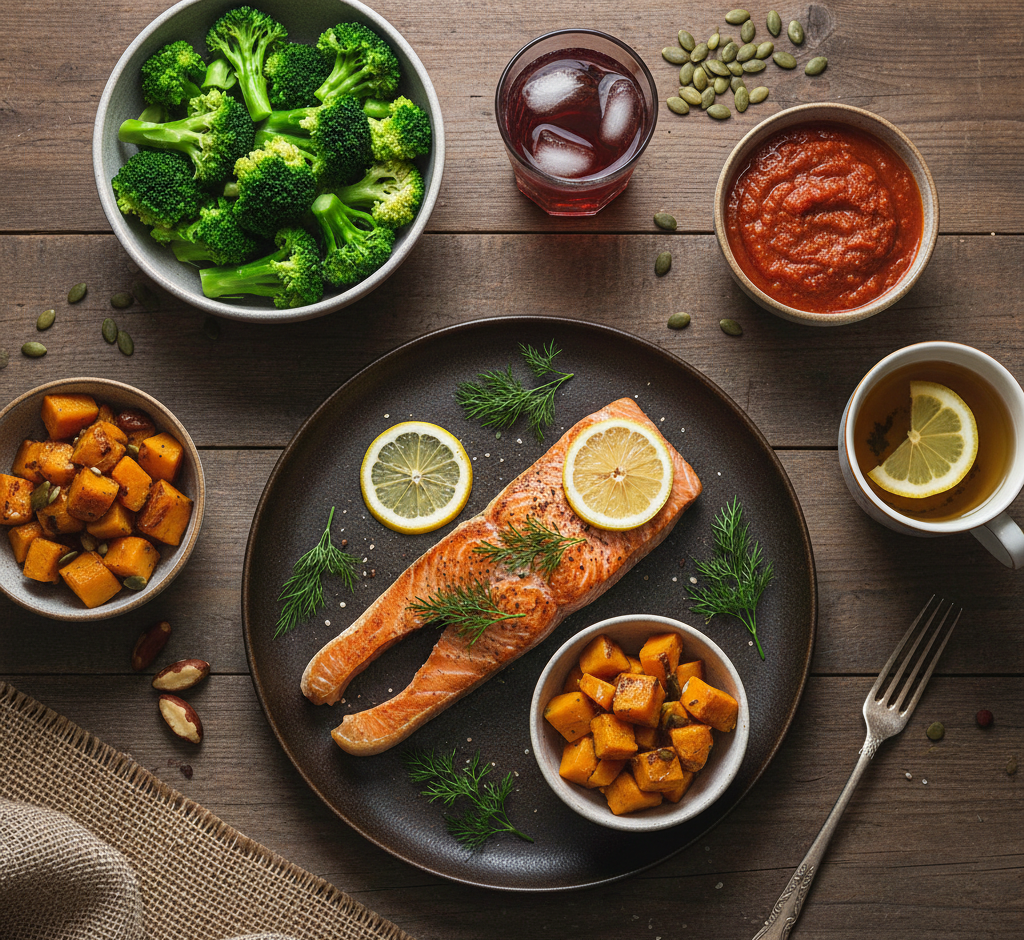
- Fatty fish (salmon, sardines, tuna) and white fish
- Green tea infusions
- Dark chocolate with at least 85% cocoa content
Top Foods That Actively Protect the Prostate
Fatty Fish
Salmon, sardines, mackerel, trout, and herring are rich in Omega-3 fatty acids, which help improve blood circulation and promote the production of prostaglandins—substances that support the male reproductive system and reduce inflammation.
Pumpkin Seeds
Pumpkin seeds are high in zinc, an essential mineral for prostate growth and maintenance. Studies show that up to 75% of men with BPH have low zinc levels.
Soy-Based Foods
Soy contains isoflavones, plant compounds that may inhibit tumor cell growth. Foods like tofu, soy milk, and edamame are staples in Asian diets, which are associated with significantly lower prostate cancer rates.
Raw Bell Peppers and Citrus Fruits
Bell peppers contain even more vitamin C than oranges. Vitamin C from vegetables helps reduce prostate enlargement and decreases swelling and inflammation.
Tomatoes
Their bright red color comes from lycopene, a powerful antioxidant found in plant-based foods that helps protect against prostate inflammation and oxidative damage.
Onion, Garlic, Broccoli, Cabbage, and Cauliflower
These vegetables strengthen the immune system and help fight urinary tract infections, which are more common in men with enlarged prostates.
Green Tea
Rich in polyphenols, green tea contains antioxidants that may slow the growth and development of prostate cancer cells.
Nuts
Nuts provide Omega-3 fatty acids and selenium. Research suggests that combining nuts with soy-based foods can significantly reduce prostate cancer risk.
Avocados
Avocados contain beta-sitosterol, a plant compound known to reduce symptoms of prostate enlargement, inflammation, and discomfort.
Olive Oil
A cornerstone of the Mediterranean diet, olive oil is rich in monounsaturated and polyunsaturated fatty acids. It acts as a powerful antioxidant and may help protect against prostate cancer development.
Final Thoughts on Prostate Health
A nutrient-rich diet combined with healthy lifestyle habits can play a crucial role in preventing and managing prostate-related conditions. While these foods support prostate health, regular medical check-ups are essential for early detection and timely treatment of any abnormalities.
Taking care of your prostate is an important part of overall male health—because self-care is also a man’s responsibility.