Why Do I Have a White Tongue? Causes and Treatment

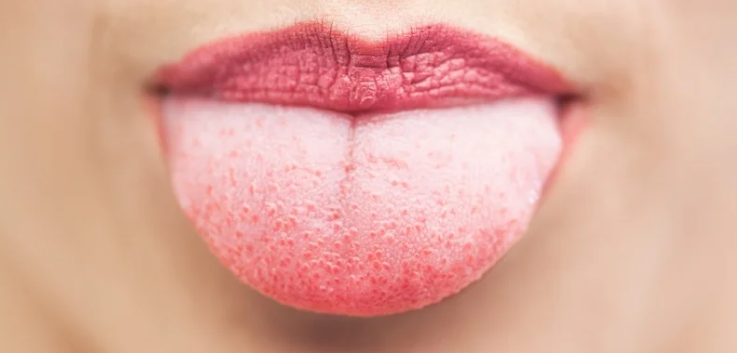
A healthy tongue usually has a pink to light red color, a moist surface, and small visible bumps known as taste buds. It should move normally and not feel dry or painful. Under normal conditions, the tongue produces enough saliva to support daily activities such as speaking, chewing, and swallowing without discomfort.
Sometimes, however, the tongue may appear different. It can become fissured, develop map-like patterns (geographic tongue), or appear hairy. In many cases, the tongue may develop a white coating, which often leads people to wonder why their tongue has changed color.
Why Does the Tongue Change Color?
The tongue can change color due to external factors such as consuming certain foods, candies, beverages, or medications. Traditionally, the appearance of the tongue has been used as an indicator of health, often linked to infections or underlying conditions when accompanied by bad breath or discomfort.
Each tongue color may suggest a different issue. For example, a yellow tongue may be associated with jaundice, while a bright red tongue can indicate infection, especially in children. A white tongue is common, but understanding its cause is important, as it may sometimes be linked to more serious conditions.
What Does a White Tongue Mean?
One possible explanation for a white tongue is oral leukoplakia, a chronic condition characterized by white patches caused by excessive keratin buildup. These patches cannot be easily scraped off and are sometimes referred to as “smoker’s patches.”
Oral leukoplakia appears more frequently in men over the age of 30 and is commonly associated with chronic irritation. Although it can have multiple causes, irritation remains the most common factor.
Leukoplakia is considered a precancerous condition, and approximately 1% of cases may progress to oral cancer. Early detection is essential for proper management.
Main Causes of Oral Leukoplakia
- Tobacco use
- Alcohol abuse
- Poorly fitting dental prosthetics
- Repeated trauma from biting
- Consumption of very hot or heavily spiced foods
Most Common Causes of White Tongue
In most cases, a white tongue is not a disease itself but a symptom of an underlying issue. Common causes include:
Poor Oral Hygiene
Insufficient cleaning of the tongue and teeth can lead to bacterial buildup. Brushing the teeth and gently cleaning the tongue at least three times a day can often resolve the issue.
Oral Candidiasis (Thrush)
Small white patches may appear due to fungal infections such as oral candidiasis. This condition often requires antifungal treatment.
Oral Lichen Planus
This inflammatory condition causes white patches inside the mouth and on the tongue. It may appear as lace-like white areas and should be evaluated by a healthcare professional.
Dehydration
Lack of adequate hydration can cause dryness and white spots on the tongue, especially after intense physical activity.
Mouth Breathing
Breathing through the mouth or sleeping with an open mouth can dry the tongue, leading to a white coating. This may also be associated with sore throat and throat irritation.
Low-Fiber Diet
Consuming mostly soft or processed foods may reduce natural tongue cleaning, contributing to discoloration.
Digestive Problems
White tongue may be associated with digestive issues such as gastritis or liver disorders. These cases are often accompanied by bloating, gas, nausea, or heavy digestion. There is no direct link between white tongue and headaches.
Oral Leukoplakia
A potentially serious condition that should not be ignored due to its risk of developing into oral cancer.
Symptoms of White Tongue Caused by Leukoplakia
In oral leukoplakia, white patches usually start small and are painless, which often leads to delayed concern. Although they may persist for months or years, early diagnosis significantly improves treatment outcomes.
If white patches do not disappear over time, medical evaluation is strongly recommended.
Treatment for White Tongue
In many cases, white tongue resolves naturally within a few days. However, the following measures are recommended:
Diet and Lifestyle Recommendations
- Drink plenty of water and natural juices
- Include yogurt in your diet
- Eat raw vegetables
- Consume fruits rich in vitamin C
- Avoid tobacco and alcohol
Improve Oral Hygiene
Regular brushing, tongue cleaning, and the use of mouthwash help reduce bacterial buildup and prevent recurrence.
Medical Treatment
- Oral candidiasis may require antifungal medication
- Oral lichen planus is often treated with corticosteroids
- Leukoplakia requires eliminating irritants and close medical monitoring
In mild cases of leukoplakia, removing the source of irritation may be sufficient.
When to See a Doctor
If you are wondering why your tongue is white and the condition does not improve, worsens, or is accompanied by pain, bleeding, or persistent patches, it is essential to consult a healthcare professional for proper diagnosis and treatment.